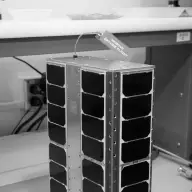
Biological and Physical Sciences studies how living things and physical processes behave in space. Most of its research runs aboard the International Space Station. The missions here are the division's small number of free-flying CubeSat spacecraft.
ScopeActive Mission WindowActivePapers published from the first full month after science operations begin through two years after the mission ends. Citations are counted through the third calendar year after each paper appears. Methods/LifetimeLifetimeEvery tracked publication to date, with every citation to date. Methods
Life-cycle cost: NASA’s reported cost to build, launch, and operate a mission through its prime mission, plus documented partner contributions, in 2025 dollars. Extended missions are not included. Methods
Tracked publications: peer-reviewed papers we found that name the mission or its instruments in their titles, abstracts, or keywords. Papers that used the data without naming it are missed. Methods
Citations: every citation these publications have drawn to date. Older missions have had longer to collect them. Methods
How we found the papers, counted citations, and set costs: Methods.
Institutional contributionsThe institutions SciX lists for each paper’s authors, as printed on the paper, located through the Research Organization Registry. A square counts a paper once, however many of its authors worked there. Methods
Every tracked publication to date, each counted once however many Biological & Physical Sciences missions it names.